
Season by Season: What’s Happening to Your Pool
Living in Central Florida means sunshine, afternoon storms, high humidity, and the occasional cold snap.
Understanding how Florida’s weather affects your pool can help you prevent algae, protect equipment, and keep your water crystal clear all year long.
Here’s what every Central Florida pool owner should know.
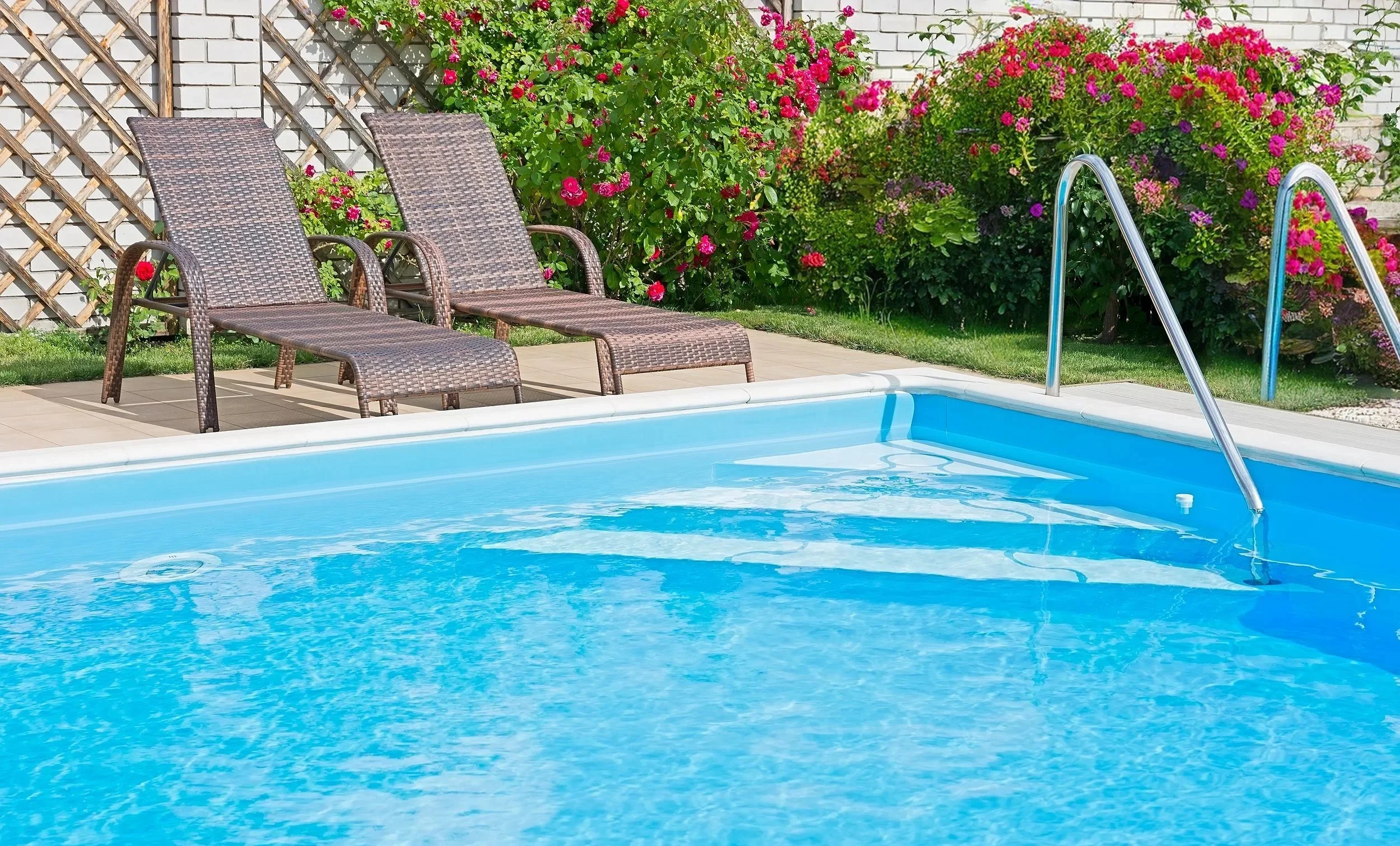
🌸 Spring: Pollen, Rising Temps & Algae Season Begins
Spring in Central Florida brings warmer days, blooming trees — and a lot of pollen.
What Happens:
Pollen coats the pool surface and clogs filters.
Water temperatures begin rising.
Algae becomes more active as temps climb.
Chemical demand starts increasing.
Even if your pool looked perfect all winter, spring is when balance can shift quickly.
What You Should Do:
Increase brushing to prevent early algae growth.
Clean filters more frequently during heavy pollen weeks.
Begin adjusting chlorine levels as water warms.
Schedule a seasonal equipment check before peak swim season.
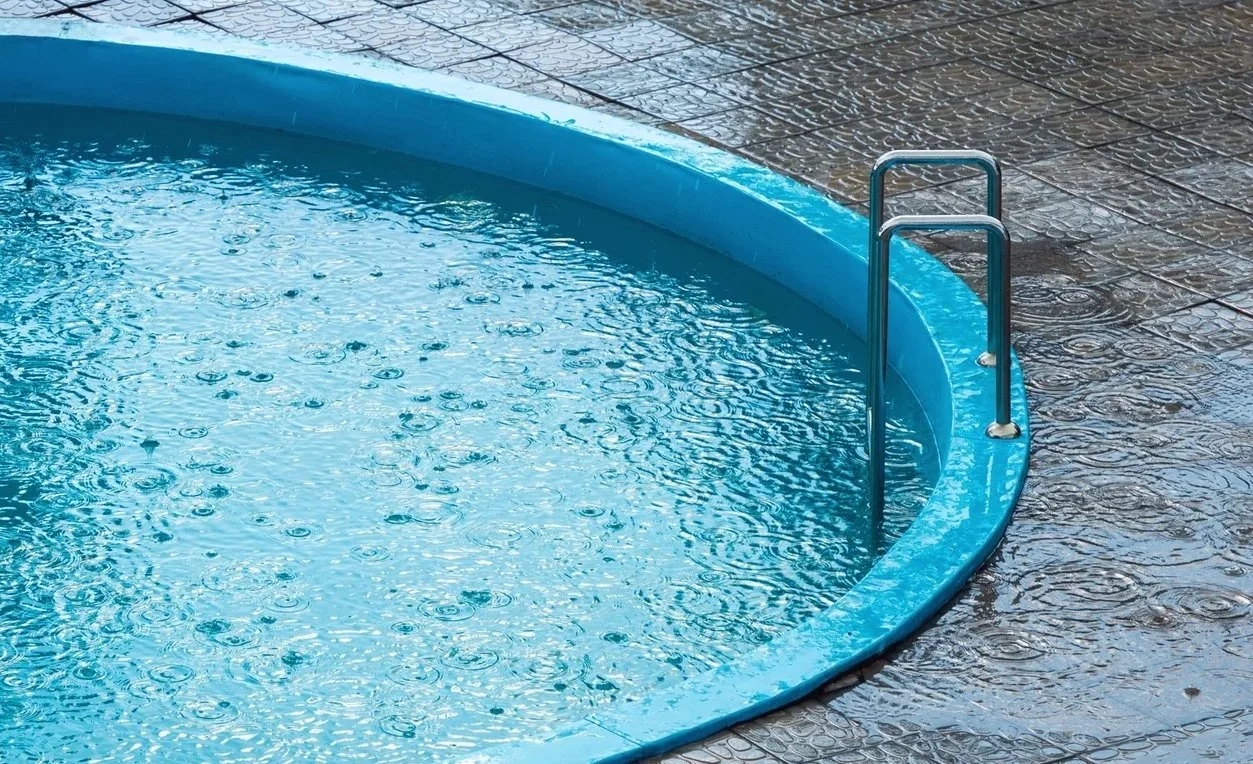
☀️Summer: Heat, Humidity & Afternoon Storms
Summer is peak pool season — and peak maintenance season.
What Happens:
High temperatures burn off chlorine faster.
Heavy rain dilutes chemicals.
Warm water creates the perfect environment for algae growth.
Afternoon storms add debris and phosphates to the water.
What You Should Do:
Test and balance chemicals more frequently.
Shock the pool after heavy rain.
Keep baskets and filters clear of debris.
Ensure proper circulation — pump runtime may need to increase.
Even well-maintained pools can turn cloudy quickly during Florida summers without consistent attention.
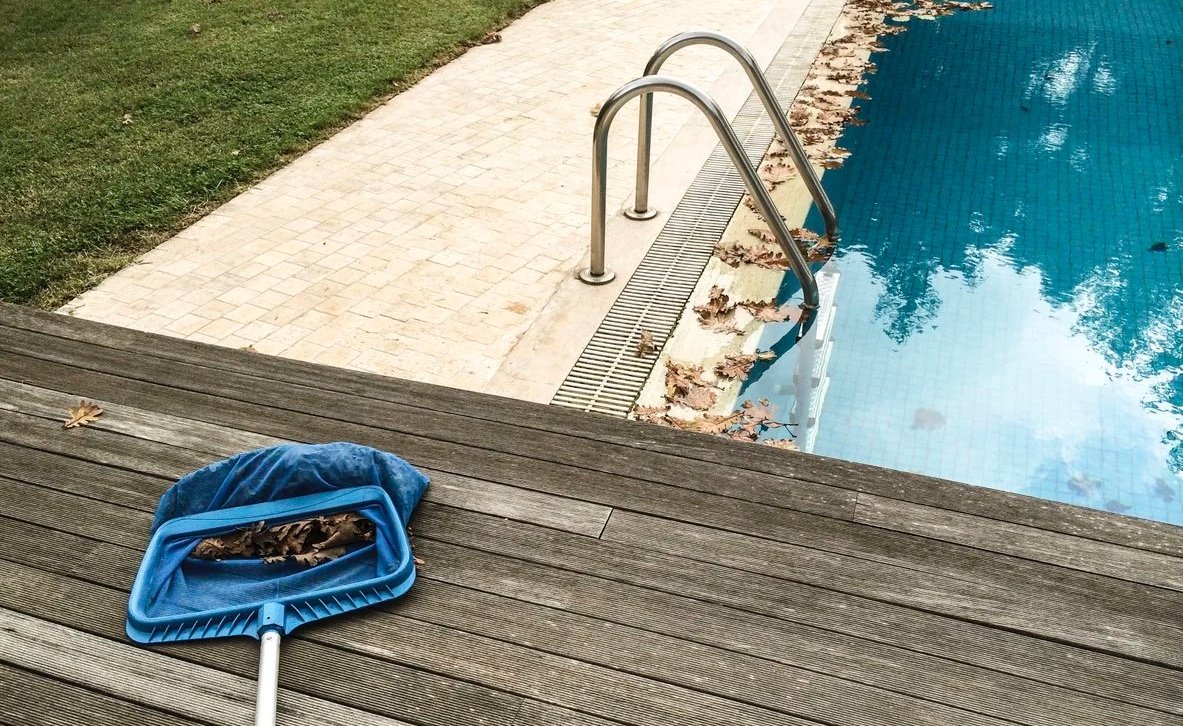
🍂Fall & Winter: Drier Air and Cold Snaps
It’s counterintuitive, but many Central Florida homeowners see more evaporation during the cooler months.
Why?
Dry, windy air increases evaporation faster than humid summer air.
What Happens:
Water levels drop more quickly.
Chemical concentration shifts as water evaporates.
Equipment and pipes are at risk of damage during cold snaps.
What You Should Do:
Monitor water levels regularly.
Rebalance chemicals as needed.
Avoid turning equipment off during hard freezes.
Keep water circulating during freezing temperatures.
If you’re losing more than ¼ inch of water per day, it may be worth checking for a leak — especially if no water features are running.
