
Pool Pump Run Time: Why 8–10 Hours Matters
The Importance of Running Your Pool Pump 8–10 Hours Daily
Your pool pump plays a critical role in keeping your pool clean, safe, and properly balanced. While it may be tempting to reduce pump run time to save on electricity, running your pool pump too little can lead to water quality issues, higher chemical costs, and unnecessary strain on your equipment. For most residential pools, operating the pump at least 8–10 hours per day is essential for proper circulation and filtration.
The Role of Your Pool Pump

A pool pump does far more than simply move water. It supports several key functions:
Filtration: Circulates water through the filter to remove debris, dirt, and contaminants.
Water circulation: Prevents stagnant areas where algae and bacteria can develop.
Chemical distribution: Ensures sanitizers and balancing chemicals are evenly dispersed throughout the pool.
Without adequate daily run time, these systems cannot work effectively.
Why 8–10 Hours Is the Minimum
Running your pool pump for 8–10 hours typically allows the entire volume of water in the pool to be filtered at least once per day under normal conditions. This consistent circulation is essential for maintaining clear water and stable chemistry.
When pump run time is too short:
Debris and fine particles remain suspended in the water
Chemicals are unevenly distributed
Algae has a greater opportunity to grow
Water clarity and sanitation decline
During warmer months, periods of heavy use, or after storms, longer run times may be necessary to keep up with increased demand.
Consistency Is Key
Running your pool pump consistently each day is just as important as total run time. Skipping days or operating the pump irregularly can quickly lead to imbalanced water and avoidable problems.
Pools With Attached Features May Need Longer Run Times
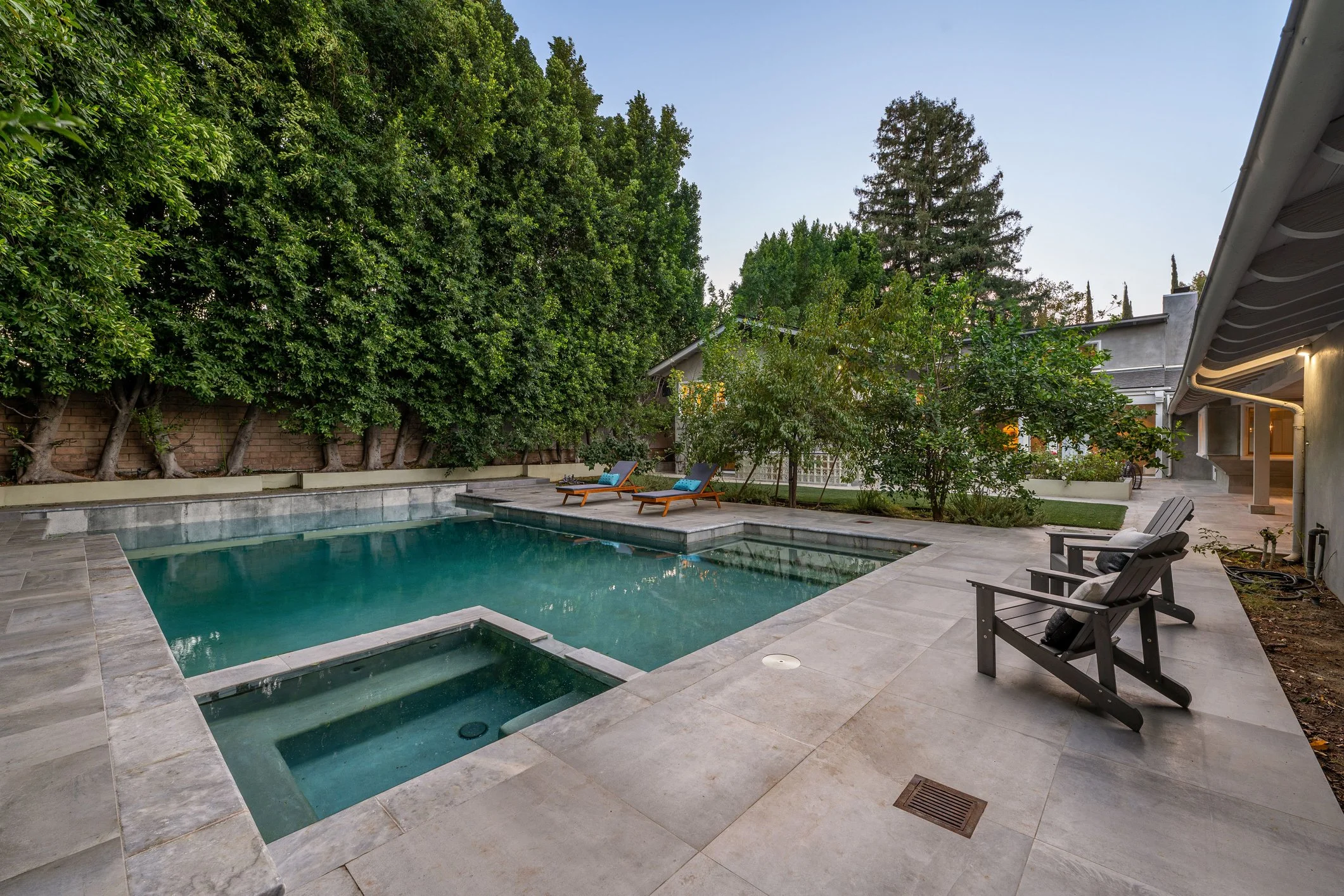
Pools with additional features often require extended pump operation to function properly. Features such as attached spas, waterfalls, fountains, solar heating systems, and in-floor cleaning systems rely on continuous water flow.
Longer run times help ensure:
Proper circulation through all plumbing lines
Effective heating when solar systems are in use
Consistent filtration of water returning from elevated or high-flow features
Reduced wear on valves and equipment caused by frequent on-and-off cycling
In these cases, running the pump longer at lower speeds (when possible) is often more efficient and effective than shorter, high-speed cycles.
How to Cut Energy Costs Without Sacrificing Water Quality
There are effective ways to manage energy costs while still maintaining proper pump run time:
Run the pump during off-peak hours
Scheduling your pump to operate during off-peak electricity hours—often overnight or early morning—can help reduce utility costs.
Keep equipment well maintained
Clean filters and properly functioning equipment improve water flow efficiency, which reduces strain on the pump and lowers energy consumption.
Adjust seasonally
While 8–10 hours is a reliable baseline, cooler months may require slightly less run time, while hotter months often require more.
Professional Guidance Makes a Difference
Every pool is unique. Pool size, equipment, features, and usage all influence how long your pump should run. Working with a professional pool service ensures your system is operating efficiently, your water stays healthy, and energy costs remain under control.
