
Beat the Heat
What's Normal, What's Not, and Why Your Pool Needs Weekly Attention This Time of Year
Summer in Florida is everything we love—long days, warm nights, and plenty of time in the water. But the same heat and sunshine that make pool season so enjoyable also put added stress on your pool. Here's what every pool owner should know heading into the hottest months of the year.
Watching the Water Level? Here's What to Expect.
A little water loss each week is completely normal. During Florida summers, most pools lose ½ to 1 inch of water per week from evaporation alone—and on the hottest, windiest days, that number can climb even higher. Add regular swimming, splashing, and play, and a loss of 1 to 1½ inches per week is usually nothing to be concerned about.
So when should you start to worry?
If your pool is consistently losing more than 2 inches per week, it's time to take a closer look. At that point, evaporation alone is unlikely to be the cause. You could be dealing with:
A leak in the plumbing, fittings, or light housing
A crack or gap in the pool shell or coping
An equipment issue around the pump, filter, or valves
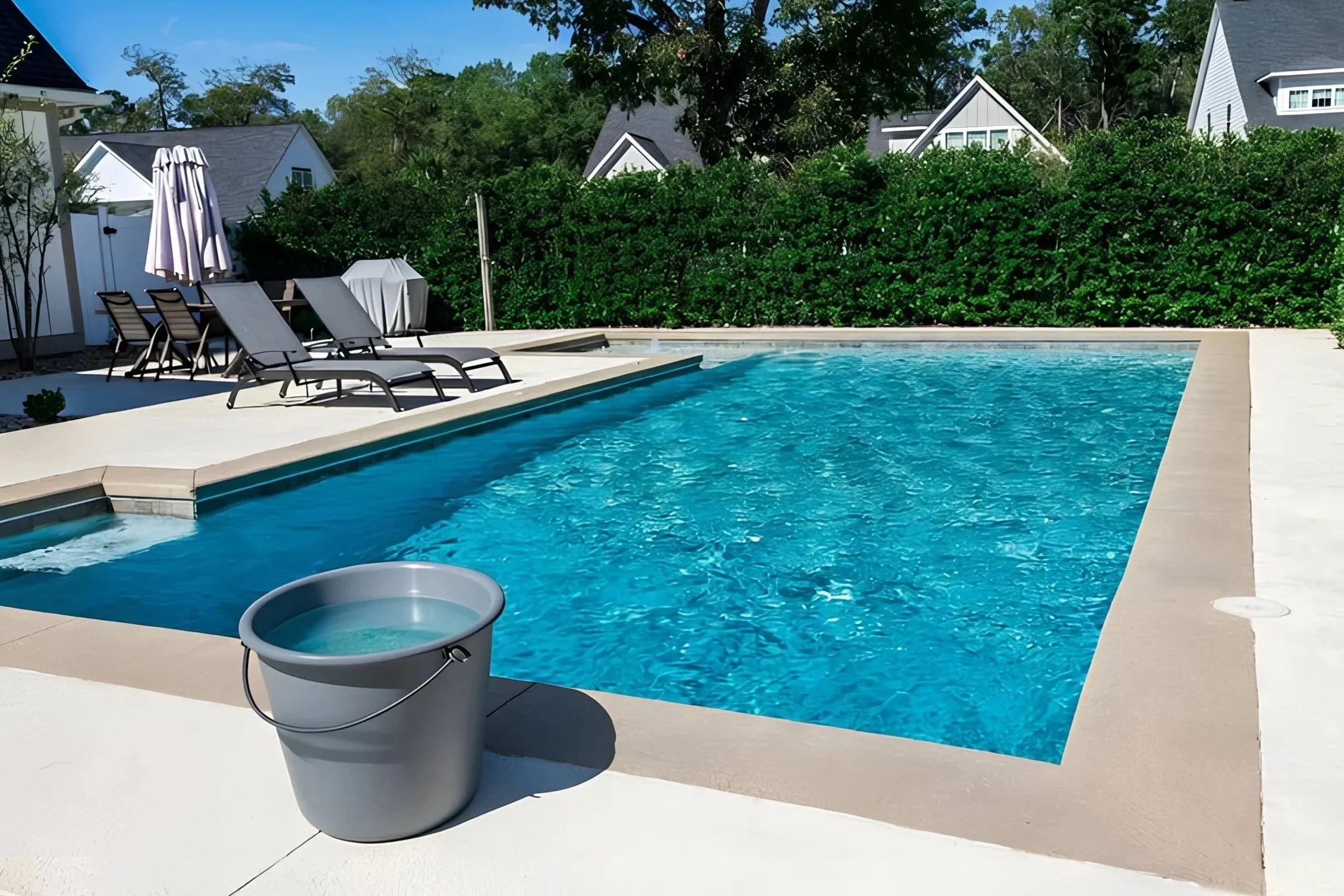
A quick way to check is with the bucket test.
Fill a bucket with pool water and place it on a pool step so it's partially submerged. Mark the water level inside the bucket and the water level of the pool on the outside of the bucket. After 24 hours, compare the two. If the pool water level has dropped significantly more than the water inside the bucket, you may have a leak worth investigating.
The bottom line: Top off your pool as needed to maintain the proper water level, and give us a call if you notice a sudden or unexplained drop.
The Sun Doesn't Just Warm Your Pool—It Burns Through Your Chemicals.
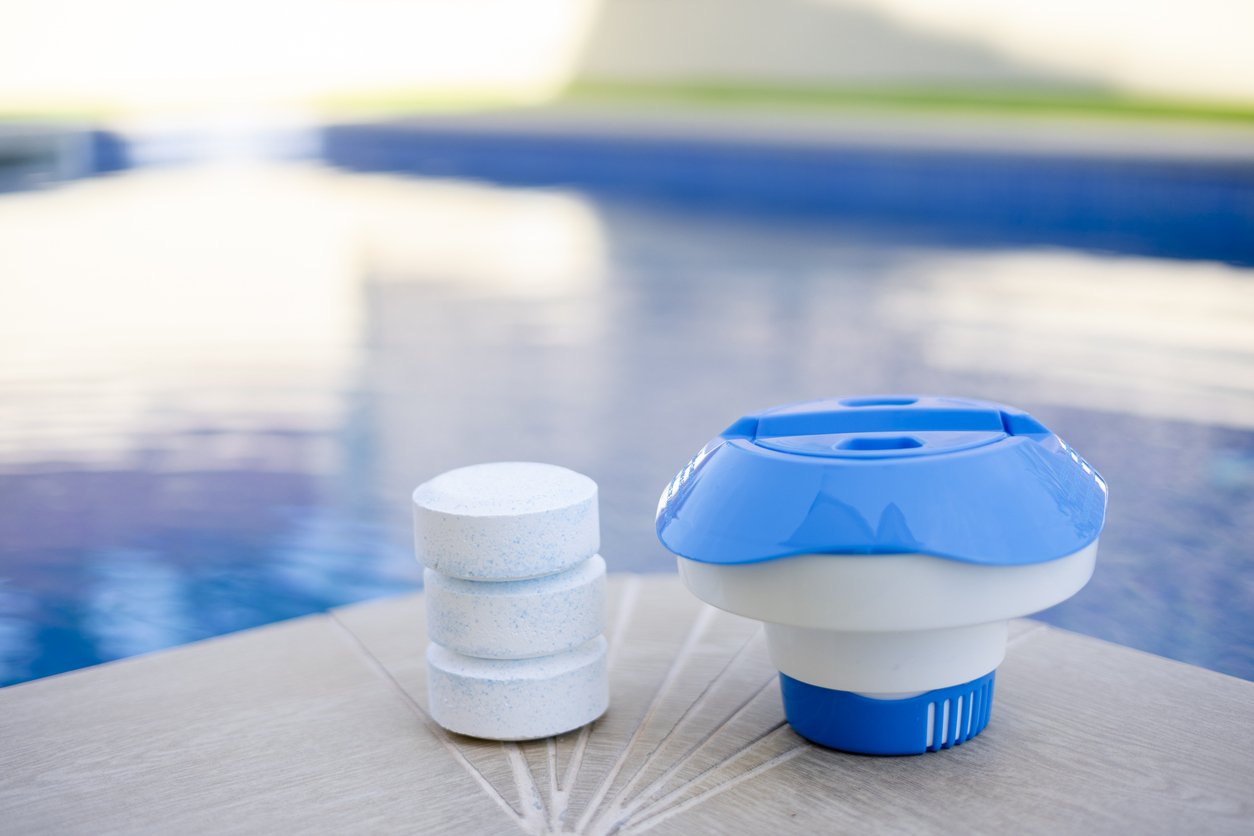
Here's something many pool owners don't realize: Florida's intense UV rays actively break down chlorine. In peak summer, direct sunlight can burn off a significant amount of chlorine in just a few hours if stabilizer levels aren't properly maintained.
Add increased swimmer activity—along with sunscreen, body oils, sweat, and other organic contaminants—and your sanitizer is working overtime every single day.
The result? A pool that looks crystal clear on Monday can become cloudy, unbalanced, or even develop algae by Friday.
That's exactly why weekly professional service isn't just recommended during the summer months—it's essential. Waiting two weeks between visits in June, July, and August is often too long. Once chlorine levels drop, algae can begin developing in as little as 24 to 48 hours. Correcting an algae problem typically requires far more time, chemicals, and expense than preventing one in the first place.
Our weekly service visits help keep your water chemistry balanced, your equipment running efficiently, and potential issues from turning into costly repairs—so all you have to do is enjoy your pool.
Questions about your pool this summer? We're always just a call away.
